
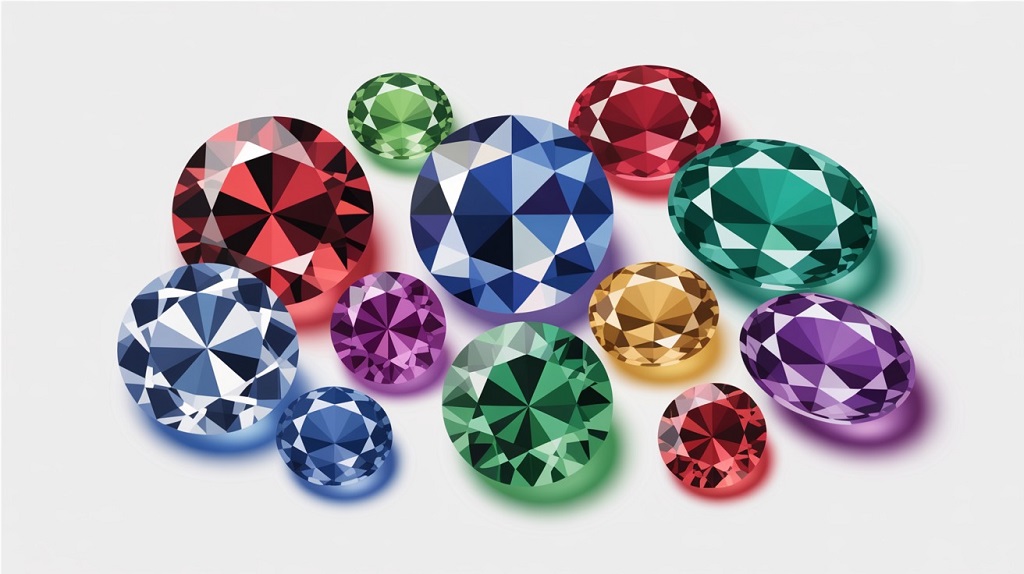
Imagine holding a piece of fire captured in stone – a ruby so vivid it seems to glow from within, or a sapphire that mirrors the deepest ocean depths. Welcome to the enchanting world of coloured gemstone collecting, where nature’s most spectacular creations become treasured possessions that span generations. Unlike their colourless diamond counterparts, coloured gemstones tell stories of their birthplace, carry the mystery of their formation, and offer collectors an opportunity to own pieces of geological artistry that are truly one-of-a-kind.
Understanding the Fundamentals of Gemstone Collection
What Makes Coloured Gemstones Special
Coloured gemstones, also known as fancy stones or precious coloured stones, represent some of Earth’s most remarkable mineral formations. The traditional “big three” – rubies, sapphires, and emeralds – have captivated collectors for millennia, but the world of coloured stone collecting extends far beyond these classics to include tanzanite, paraiba tourmaline, padparadscha sapphires, and countless other varieties.
What sets coloured gemstones apart from diamonds is their incredible diversity in hue, saturation, and tone. Each stone possesses unique characteristics influenced by trace elements present during formation, geological conditions, and the specific location where they were discovered. This natural variation means that no two coloured gemstones are exactly alike, making each piece a singular work of art.
The Four Cs of Coloured Gemstone Evaluation
While diamond grading focuses heavily on the traditional four Cs (cut, clarity, colour, and carat weight), coloured gemstone evaluation places primary emphasis on colour quality, followed by clarity, cut, and carat weight in that order.
Colour remains the most critical factor, comprising three components: hue (the basic colour), saturation (colour intensity), and tone (lightness or darkness). Premium specimens exhibit vivid saturation with medium to medium-dark tones and pure, undiluted hues.
Clarity expectations vary significantly between gemstone types. While emeralds are appreciated even with visible inclusions (called “jardin”), fine rubies and sapphires command higher prices when eye-clean. Some inclusions, like silk in sapphires or three-phase inclusions in emeralds, can actually enhance value by confirming natural origin.
Building Your Gemstone Collection Strategy
Setting Collection Goals and Budget Parameters
Successful gemstone collecting begins with clear objectives. Are you drawn to investment-grade specimens, seeking stones with strong appreciation potential? Or do you prefer collecting for pure aesthetic enjoyment, focusing on personal colour preferences regardless of market value?
Establishing realistic budget parameters early prevents costly mistakes. Quality coloured gemstones span enormous price ranges – from beautiful $100 specimens to museum-quality stones worth hundreds of thousands. Many successful collectors start with smaller, high-quality examples before graduating to larger, more valuable pieces.
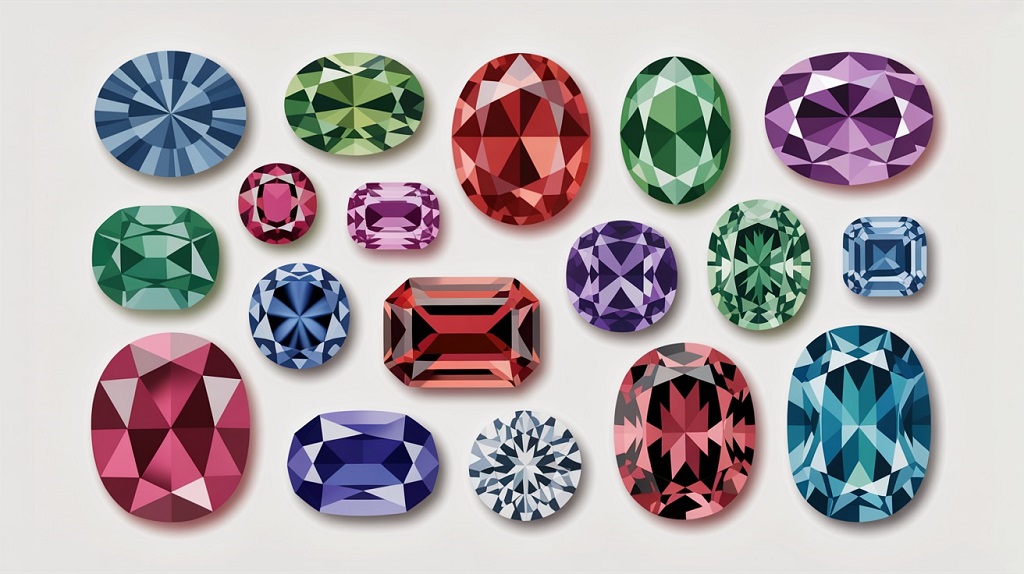
Consider specializing in specific categories: single species collections (all sapphires), geographical collections (Kashmir sapphires, Mogok rubies), or phenomenal stones (star sapphires, colour-change garnets). Specialization allows collectors to develop deeper expertise while potentially building more valuable, cohesive collections.
Research and Education Investment
Knowledge represents your most valuable collecting tool. Understanding gemstone treatments, synthetic identification, origin determination, and market trends protects against costly purchases while revealing excellent opportunities others might miss.
Invest time studying gemological resources, attending gem shows, and building relationships with reputable dealers. Join collector groups and online communities where experienced collectors share insights about market trends, new discoveries, and authentication tips.
Essential Gemstone Types for Collectors
Rubies: The King of Coloured Gems
Ruby collection offers incredible diversity, from the legendary pigeon-blood Burmese specimens to the silk-laden Kashmir rubies and the newer Mozambique discoveries. Premium rubies exhibit pure red colour without secondary hues, though slight purplish or pinkish modifiers are acceptable in top-quality stones.
Geographic origin significantly impacts ruby values. Burmese rubies, particularly those from Mogok, command premium prices due to their exceptional colour and historical significance. Thai rubies offer excellent value, while African sources like Mozambique and Madagascar produce stunning specimens at more accessible price points.
Heat treatment remains standard industry practice for rubies, with unheated specimens commanding substantial premiums. However, heated rubies can still represent excellent collecting opportunities, especially when treatments are minimal and don’t affect long-term stability.
Sapphires: Rainbow of Possibilities
Sapphire collecting extends far beyond traditional blue varieties to encompass the entire colour spectrum except red (which becomes ruby). Padparadscha sapphires, exhibiting delicate pink-orange hues, rank among the most coveted varieties. Yellow sapphires offer excellent entry points for new collectors, while white sapphires provide diamond alternatives.
Phenomenal sapphires, including star sapphires displaying asterism and colour-change varieties, add excitement to collections. Star sapphires require cabochon cutting to display their six-rayed stars, while colour-change sapphires shift between colours under different lighting conditions.
Kashmir sapphires represent the holy grail for serious collectors. These legendary stones, discovered in the 1880s in the remote Himalayan region, exhibit an unmatched velvety blue colour with exceptional brilliance. Original Kashmir mine production lasted only a few years, making authentic specimens extremely rare and valuable.
Emeralds: Garden of Green Beauty
Emerald collecting challenges even experienced collectors due to the stone’s inherent characteristics and extensive treatment practices. Colombian emeralds from Muzo, Chivor, and Coscuez mines set quality standards worldwide, though Zambian emeralds offer excellent alternatives with typically better clarity.
Understanding emerald treatments is crucial. Oil treatment, using cedar oil or synthetic alternatives, is virtually universal and considered standard practice. More extensive treatments like resin filling or dyeing significantly impact value and should be clearly disclosed.
Brazilian emeralds, particularly from Belmont mine, produce exceptional specimens, while newer sources in Ethiopia and Afghanistan contribute interesting varieties to the market. Russian emeralds from the Ural Mountains offer historical significance and unique characteristics.
Advanced Collecting Strategies
Origin Determination and Certification
Geographic origin significantly impacts coloured gemstone values, making professional certification essential for premium specimens. Reputable laboratories like GIA, SSEF, Gübelin, and AGL provide origin reports using advanced analytical techniques including trace element analysis and inclusion studies.
Understanding that origin determination isn’t always definitive helps set realistic expectations. Some stones exhibit characteristics consistent with multiple origins, leading to qualified opinions or “indications” rather than definitive conclusions.
Treatment Recognition and Disclosure
Modern gemstone treatments range from traditional heating to sophisticated lattice diffusion and beryllium treatment. While many treatments are accepted industry practices, full disclosure remains essential for informed collecting decisions.
Heat treatment, the most common enhancement, improves colour and clarity while maintaining stone integrity. Unheated specimens command premiums but represent only small market percentages. Diffusion treatments, fracture filling, and irradiation require careful consideration as they may affect long-term stone stability.
Investment and Market Considerations
Market Trends and Value Appreciation
Coloured gemstone markets demonstrate different patterns than diamond markets, with rarity, beauty, and origin playing crucial roles in value determination. Exceptional specimens from depleted sources like Kashmir sapphires or Mogok rubies continue showing strong appreciation due to finite supply and increasing demand.
Emerging markets in Asia, particularly China and India, drive significant demand growth for premium coloured gemstones. This increased demand, combined with declining production from traditional sources, supports long-term value appreciation for quality specimens.
Building Relationships with Dealers
Successful collecting often depends on dealer relationships built on trust and mutual respect. Reputable dealers provide authentication, treatment disclosure, and often offer first access to exceptional specimens before public availability.
Attend major gem shows like Tucson, Bangkok, or Hong Kong to meet dealers face-to-face, examine inventory, and build collecting networks. Online purchases require extra caution, though many established dealers maintain excellent online reputations with transparent policies.
Care and Preservation of Your Collection
Proper Storage and Security
Gemstone collections require appropriate storage considering both security and preservation needs. Professional-grade safes with fire protection preserve valuable collections while organized storage systems prevent damage from stones contacting each other.
Individual stone papers or compartmented boxes prevent scratching while allowing easy examination. Documentation including certificates, purchase receipts, and photographs should be stored separately from physical collections.
Insurance and Documentation
Professional appraisals and comprehensive insurance coverage protect against loss, theft, or damage. Update appraisals regularly as market values change, and maintain detailed photographic records of each specimen including any unique identifying characteristics.
Document provenance when possible, as historical ownership or famous collection pedigree can enhance values significantly. Some stones carry premium values due to previous ownership by celebrities, royalty, or prominent collectors.
Read More Also: The County Providing Affordable, Asian Weddings Cheshire.
Frequently Asked Questions
What should beginner collectors focus on when starting their gemstone collection?
Beginning collectors should prioritize education over acquisition speed. Start with a modest budget and focus on learning to identify quality characteristics, treatments, and authenticity markers. Purchase from reputable dealers who provide certificates and treatment disclosure. Consider starting with more affordable varieties like garnets, tourmalines, or heated sapphires to develop your eye before investing in premium specimens.
How can I verify the authenticity and quality of coloured gemstones?
Always request gemological certificates from recognized laboratories for valuable stones. Learn to identify common synthetic indicators and treatment signs through gemological education. Build relationships with trusted dealers who guarantee authenticity and provide return privileges. When in doubt, invest in professional gemological consultation before making significant purchases.
Are treated gemstones worth collecting, or should I focus only on natural, unheated specimens?
Treated gemstones can offer excellent collecting value, especially when treatments are stable, properly disclosed, and priced accordingly. Heat treatment is standard industry practice for most ruby and sapphire varieties, and heated stones can be stunning and valuable. However, unheated specimens command premiums due to rarity. The key is full treatment disclosure and appropriate pricing for the enhancement level.
What factors most significantly impact coloured gemstone values over time?
Rarity, beauty, origin, size, and treatment status most significantly impact long-term values. Stones from depleted or restricted sources tend to appreciate well, as do exceptional specimens exhibiting superior colour and clarity. Large, high-quality examples always command premiums due to extreme rarity. Market demand shifts also influence values, with emerging markets often driving appreciation for specific varieties.
How should I budget for building a serious coloured gemstone collection?
Develop a collecting plan with both short-term and long-term goals. Many successful collectors dedicate 5-10% of their investment portfolio to gemstones, though personal circumstances vary widely. Consider starting with smaller, high-quality specimens to develop expertise before investing in premium pieces. Remember that certification, insurance, and secure storage add to total ownership costs beyond initial purchase prices.
Ready to Begin Your Gemstone Collecting Journey?
The world of coloured gemstone collecting offers endless fascination, combining natural beauty with investment potential and historical significance. Whether you’re drawn to the fiery brilliance of rubies, the serene depths of sapphires, or the verdant allure of emeralds, each addition to your collection tells a unique story spanning millions of years of geological artistry.
Start your collecting adventure today by connecting with reputable gem dealers, attending local gem shows, or exploring online communities of fellow enthusiasts. Remember that patience, education, and passion create the most rewarding collecting experiences. Your perfect gemstone awaits discovery – begin exploring the magnificent world of coloured stone collecting and let these natural treasures illuminate your life with their timeless beauty.
About the Author