
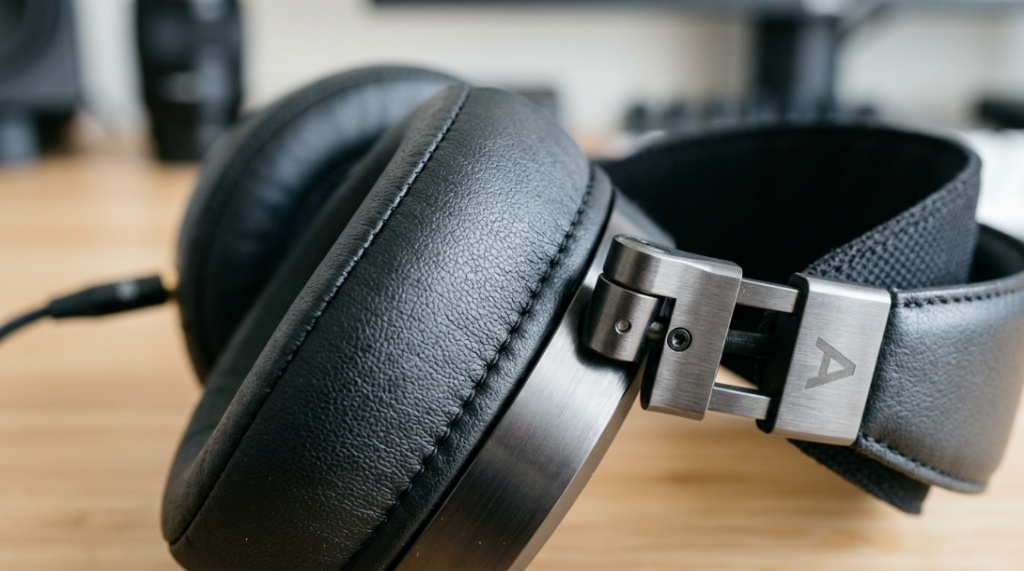
Music lovers are a different breed of headphone buyer. You’re not just looking for something to take calls or drown out office noise. You want headphones that make your favorite album sound like the artist intended — every note, every layer, every breath captured perfectly. This guide cuts through the marketing noise and focuses on what actually matters when choosing the best headphones for music.
The Music Lover’s Priority List
Unlike casual listeners, music lovers care deeply about:
- Tonal accuracy — does it sound like real music?
- Soundstage and imaging — can you place instruments in space?
- Detail retrieval — can you hear things you’ve never noticed before?
- Dynamic range — does it handle soft passages and loud peaks equally well?
- Long-term listenability — does it fatigue your ears after an hour?
Every recommendation in this guide is filtered through these five priorities.
Open-Back vs. Closed-Back for Music Listening
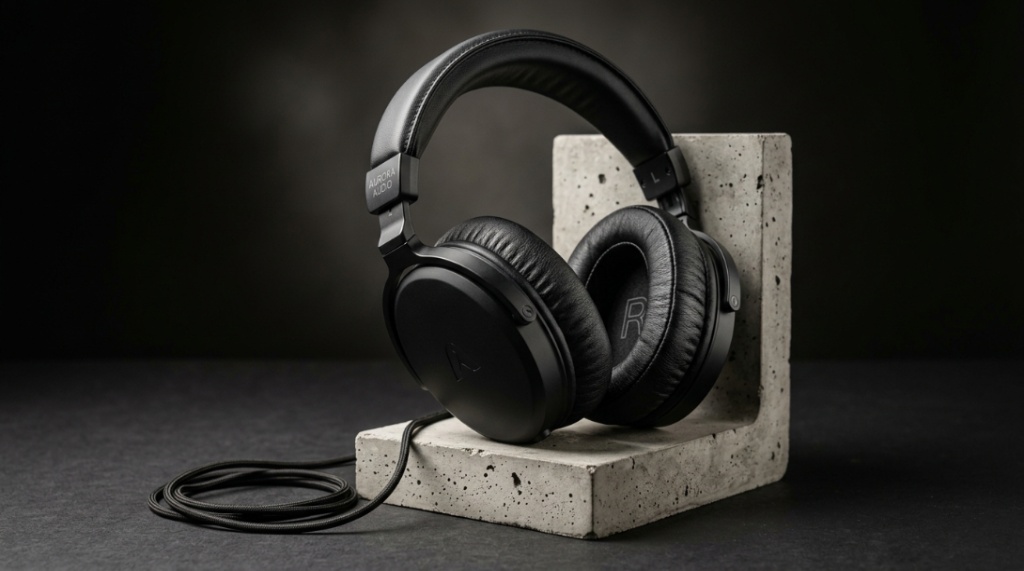
This is the most important technical decision for a music lover:
Open-Back Headphones
- Sound leaks in AND out
- Larger, more natural soundstage
- More accurate, speaker-like presentation
- Best for: Home listening in a quiet room
Closed-Back Headphones
- Sealed ear cups isolate sound
- More intimate, “in your head” soundstage
- Better bass impact
- Best for: Anywhere with background noise
For pure music enjoyment at home, open-back wins every time. For versatile use, closed-back is the practical choice.
The best headphones for music lovers who only listen at home are almost always open-back.
Driver Technology: What Moves the Air
The driver is the heart of any headphone. For music lovers, driver type matters:
Dynamic Drivers
- Most common type
- Great bass extension and impact
- Natural, musical presentation
- Easy to drive from a phone or laptop
Planar Magnetic Drivers
- Ultra-fast, distortion-free sound
- Exceptional detail and accuracy
- Typically require a headphone amplifier
- Found in premium audio headphones
Electrostatic Drivers
- The ultimate in detail and speed
- Extremely expensive ($1,000+)
- Require a special energizer/amp
- Niche audiophile territory
For most music lovers, high-quality dynamic drivers or entry-level planar magnetics represent the best value.
What “Soundstage” Really Means (And Why It Matters)
Soundstage is one of the most talked-about — and misunderstood — headphone qualities.
Soundstage = the perceived width, depth, and height of the audio space.
Great soundstage means:
- Instruments feel like they occupy real positions in space
- You can close your eyes and “see” the band arranged in front of you
- Large orchestral recordings feel expansive and immersive
- Small jazz recordings feel intimate and close
Poor soundstage means:
- Everything sounds like it’s playing from one point between your ears
- No sense of depth or space
- Music feels flat and two-dimensional
Open-back headphones almost always have better soundstage than closed-back.
Impedance and Sensitivity: Will Your Phone Drive Them?
Many premium audio headphones require more power than a phone can provide:
| Impedance | Amplifier Needed? |
|---|---|
| 16–32Ω | No — drives fine from phones |
| 80–150Ω | Maybe — sounds better with an amp |
| 250–300Ω | Yes — needs a dedicated amp |
| 600Ω+ | Definitely — requires serious amplification |
Sensitivity also matters — lower sensitivity (under 100dB/mW) means the headphone needs more power to get loud.
If you want to listen from your phone without extra gear, stick to headphones under 50Ω with sensitivity above 100dB/mW.
The Role of the Source in Music Quality
Here’s something most guides won’t tell you: your headphones are only as good as what you feed them.
Music source quality hierarchy:
- Lossless FLAC/WAV — best possible quality
- High-res streaming (Apple Music Lossless, Tidal HiFi, Amazon Music HD) — excellent
- Standard streaming (Spotify High Quality, Apple Music AAC) — very good
- YouTube audio — compressed, lower quality
- MP3 at 128kbps — noticeably lossy
Spending $400 on premium headphones but streaming at 128kbps is like putting premium fuel in a car with a clogged air filter. Upgrade your source alongside your headphones.
EQ: Friend or Enemy of Pure Music Listening?
Purists avoid EQ. Pragmatists embrace it. The truth?
Good EQ is a tool, not a crutch. Even the best headphones have slight frequency response deviations from perfectly neutral. A subtle EQ adjustment to compensate is completely legitimate.
What to avoid:
- Heavy bass boosts that mask mid detail
- Extreme treble boosts that cause listening fatigue
- Preset EQs labeled “Bass Boost” or “Party Mode”
What works well:
- Slight sub-bass (+2–3dB below 60Hz) for warmth
- Gentle upper-mid cut (2–5kHz) if treble is harsh
- Slight presence boost (8–12kHz) for more air and detail
Genres and the Headphones That Serve Them Best
| Genre | What You Need | Avoid |
|---|---|---|
| Classical / Orchestral | Wide soundstage, accurate mids | Bass-heavy V-shape |
| Jazz | Natural timbre, vocal clarity | Overly bright treble |
| Hip-Hop / Trap | Extended sub-bass, punchy | Thin, bright presentation |
| Rock / Metal | Fast transients, clear separation | Muddy bass |
| Electronic / EDM | Wide soundstage, deep bass | Narrow staging |
| Acoustic / Folk | Natural midrange, air | Colored, unnatural tuning |
Conclusion
For music lovers, the perfect headphone is one that disappears — where you stop thinking about the gear and start getting lost in the music. Focus on driver quality, soundstage, tonal accuracy, and matching impedance to your source. The best headphones for music aren’t always the most expensive — they’re the ones that serve your music the way it deserves. Invest in premium audio headphones and your entire music library will sound brand new.
About the Author